 EpoxyGrind
DIY vs. hiring a pro
How Long Does DIY Epoxy Last vs. a Professional Install?
Short answer: a well-prepped DIY retail-grade coating commonly holds up 1-3 years before hot-tire pickup, peeling, or yellowing shows up. A professionally installed 100%-solids or polyaspartic system on a properly prepped slab routinely runs 10-20 years.
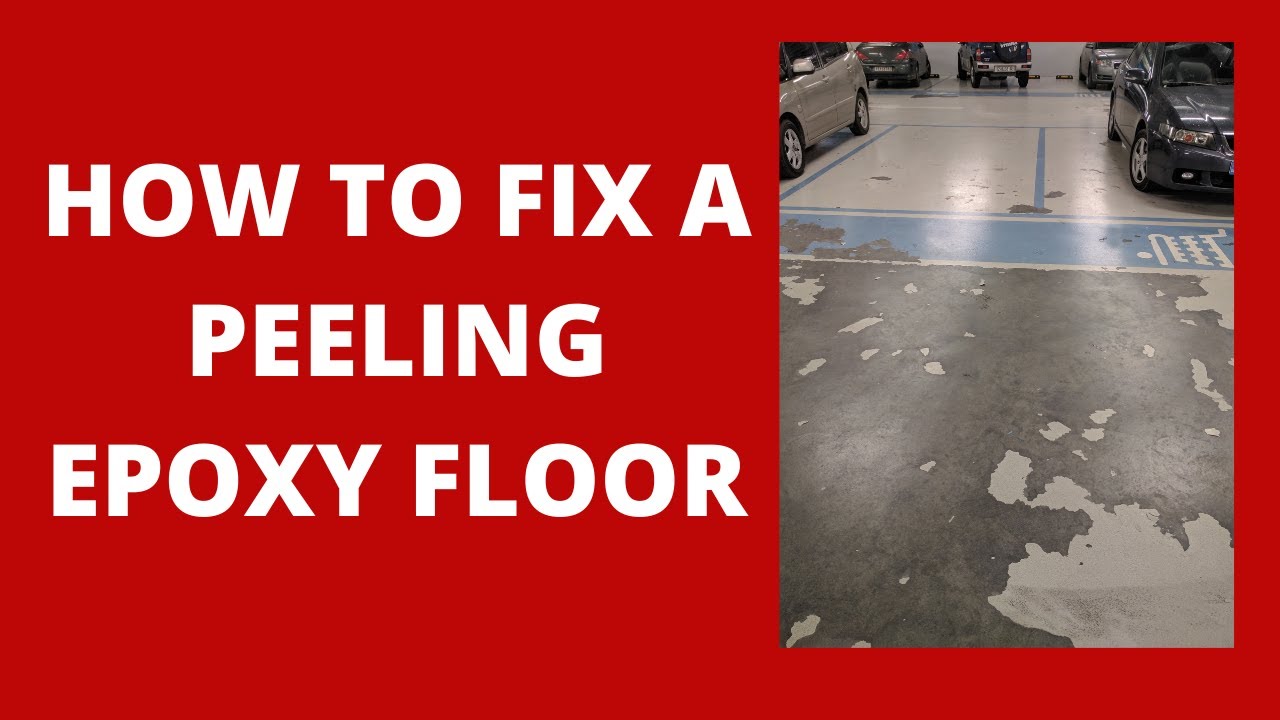
The durability gap between DIY and professional epoxy is real, and it's almost entirely explained by two things: how deep the concrete prep actually goes, and how much of the coating is solid material versus solvent/water that evaporates out. Neither is unique to "professional" as a label — a DIYer who nails both can get professional-grade durability, and a rushed pro job can fail early too. But on average, the gap is large and consistent enough to plan around.
DIY if…
- 1-3 years of good-looking floor is an acceptable lifespan for your use case
- You're using a garage lightly (not daily heavy vehicle/equipment traffic)
- You're fine recoating again down the road as routine maintenance
Hire a pro if…
- You want a floor that outlasts a typical mortgage refinance cycle
- The garage sees daily traffic, workshop use, or towed-equipment weight
- You want a written warranty backing the lifespan claim
Why DIY coatings fail sooner
Most retail DIY kits use water-based or lower-solids formulas that are easier to apply but inherently thinner once cured — see our solids content comparison for why that matters. Combined with lighter, faster prep (etching instead of grinding, in many DIY jobs — see grinding vs. acid etching), the bond to the slab and the coating's own wear resistance both start from a weaker baseline.
Why professional systems last longer
A professional install typically uses 100%-solids epoxy or polyaspartic (see the difference), mechanically ground to a proper surface profile, often with a moisture-mitigation step most DIYers skip entirely. The combination of thicker, harder material and a genuinely aggressive mechanical bond is what gets you into the 10-20 year range instead of 1-3.
What actually shows up when a floor is failing
Peeling, especially in tire-track patterns (hot tire pickup), yellowing under UV exposure, and bubbling from trapped moisture are the three most common signs. Our peeling repair guide covers whether a spot fix is realistic or a full recoat is the honest answer.
What goes wrong
| Issue | How often | Fix cost |
|---|---|---|
| Water-based DIY coating under daily vehicle traffic | Common — thinner films wear faster under load | Recoat at 1-3 years vs. 10-20 for a pro system |
| Etched (not ground) slab losing adhesion over time | Common on DIY jobs that skip grinding | Full grind-off and recoat |
Ready to hire a pro?
Get a free instant photo estimate — no obligation, no phone call required.
Get my instant estimate →Doing it yourself?
Start with the complete how-to guide, sized to your space.
Read the full how-to guide →FAQ
How long does a DIY epoxy garage floor last?
Commonly 1-3 years before visible wear, peeling, or yellowing on an average DIY job — longer with excellent prep and a higher-solids product.
How long does a professional epoxy floor last?
10-20 years is typical for a 100%-solids or polyaspartic system installed on a properly ground and moisture-tested slab, often backed by a written warranty.
Why does professional epoxy last so much longer?
Deeper mechanical prep (grinding vs. etching), moisture mitigation, and thicker, higher-solids material — not just "better epoxy" as a product.
Can a DIY epoxy floor last as long as a professional one?
It can get close with excellent prep and a high-solids product, but the average DIY job trades some durability for cost savings and faster completion.