 EpoxyGrind
Best picks
Best Concrete Sealers for a Garage Floor (2026)
A sealer is not the same product as an epoxy coating — it's the right call if you want to keep the concrete look while still protecting the slab.
If you want to keep the look of bare concrete rather than a coated, colored floor, a sealer — not epoxy — is the right product. Penetrating sealers soak into the concrete and repel water without changing the surface appearance; topical sealers sit on top and add a glossy "wet look" sheen. Neither is a substitute for epoxy if you actually want a coated, decorative floor — see our full epoxy guide for that instead.
| Product | Type | Coverage | Finish | Price |
|---|---|---|---|---|
| GhostShield Siloxa-Tek 8500 Penetrating Concrete Sealer | Penetrating (silane/siloxane) | 150-400 sq ft/gal (1 coat) | Invisible, no sheen change | See site |
| Black Diamond Stoneworks Wet Look Natural Stone & Concrete Sealer | Topical, acrylic-based | 100-200 sq ft/gal per coat | Glossy "wet look" sheen | $48.95–$65.00/gal |
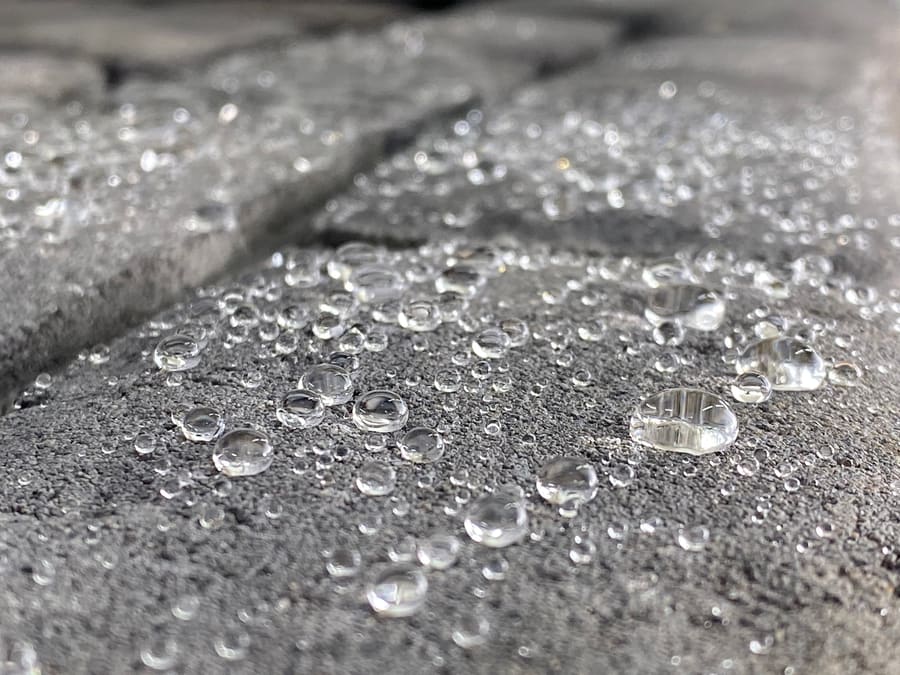
GhostShield Siloxa-Tek 8500 Penetrating Concrete Sealer
GhostShield
Soaks in rather than sitting on top, so the concrete keeps its natural look while gaining water repellency.
Siloxa-Tek 8500 is a water-based silane/siloxane sealer at 40% actives that penetrates into the concrete rather than forming a surface film — the floor looks the same as bare concrete, just water-repellent. This is the right choice if you specifically don't want a glossy or colored change to the floor's appearance.
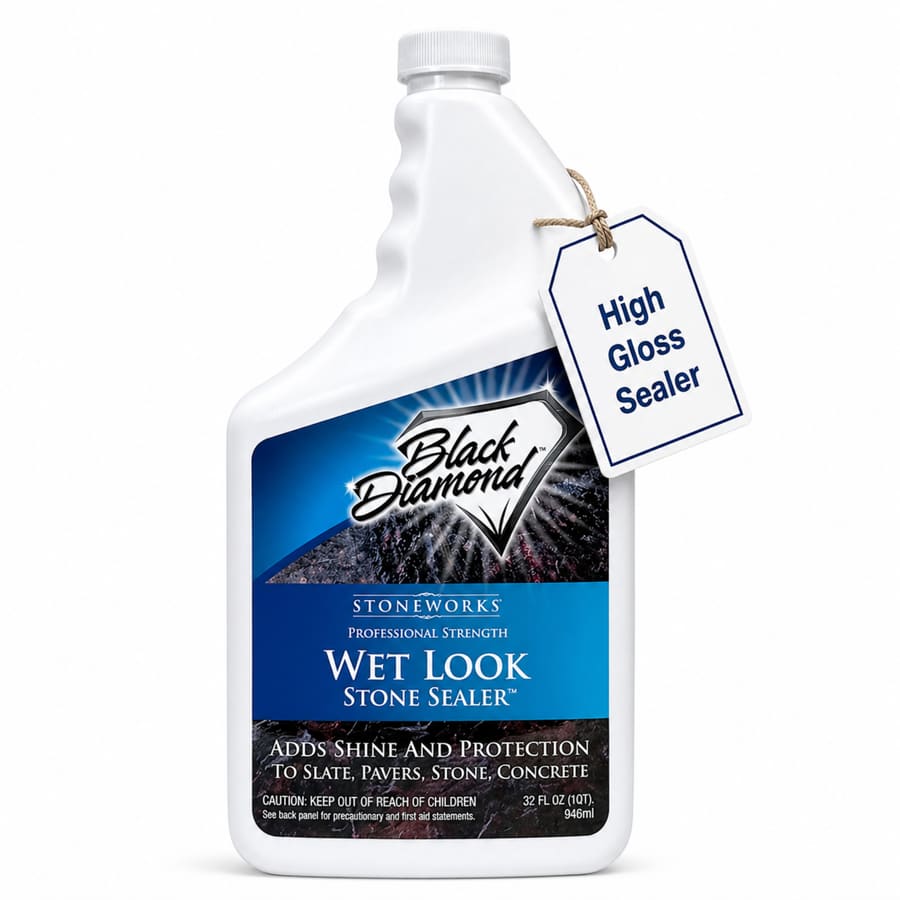
Black Diamond Stoneworks Wet Look Natural Stone & Concrete Sealer
Black Diamond Stoneworks
$48.95–$65.00 per gallon (varies by retailer)as of 2026-07-03
Adds a visible sheen and some added abrasion protection, at the cost of needing periodic reapplication.
Black Diamond's Wet Look sealer sits on the surface and adds a visible gloss, deepening the concrete's natural color rather than hiding it under paint or a colored coating. Topical sealers like this wear over time with foot and vehicle traffic and need periodic reapplication — plan on this being a maintenance product, not a one-time application like epoxy.
How we evaluate
We weigh whether the sealer is penetrating (invisible, longer-lasting, no surface film to wear through) or topical (visible sheen, real but limited abrasion resistance, needs periodic reapplication) against what look you're actually going for, plus published coverage rate consistency across the manufacturer's own materials. Specs above are pulled from the manufacturer/retailer listings linked at the verified date shown; coverage claims for topical sealers varied notably between sources in our research, so treat any single number as approximate. We have not independently bench-tested either product.
Rather have a pro do it?
Upload a photo and get a priced estimate in seconds — no obligation.
FAQ
Should I seal my garage floor instead of epoxy coating it?
If you like the look of bare concrete and mainly want water and stain resistance, a sealer is the simpler, cheaper choice. If you want a durable, decorative, easy-to-clean colored floor, epoxy is the better fit — see our epoxy vs. concrete stain comparison for a related tradeoff.
Can I apply a topical sealer over an existing epoxy coating?
Generally not necessary or recommended — epoxy topcoats already provide their own protective, glossy finish. Sealers are for bare or stained concrete, not for use over an existing coating system.
How often does a topical sealer need to be reapplied?
This varies by traffic and product, but plan on reapplication being part of the maintenance cycle — unlike a properly applied epoxy system, which is largely a one-time application for years.
Does a penetrating sealer protect against oil and chemical stains the way epoxy does?
Less effectively — penetrating sealers primarily repel water and reduce staining susceptibility, but they don't provide the same chemical and abrasion resistance as a cured epoxy or polyaspartic coating system.